

When I think about how housing trends have changed in the United States in recent years, I see that investing in multigenerational homes is no longer a risky bet, but a logical and strategic response to social transformations. In 2026, this dynamic gains strength, especially for families and investors attentive to changes in demographic profiles and the growing demand for properties that combine flexibility, income, and intergenerational living.
Why are multigenerational homes attracting more and more investors?
In my conversations with clients at Premier Sotheby's International Realty, I notice that an increasing volume is no longer just looking for space or leisure. They want properties with multiple suites, independent areas, generational integration, and short-term rental potential. Data from the 2020 U.S. Census confirms this trend: 7.2% of family households in the United States were already multigenerational that year, compared to just 7% in 1971.
However, the scenario is advancing rapidly. According to an analysis by the Pew Research Center consolidated by Infobae, today, 18% of American families live in multigenerational homes. We see this as a structural movement, driven not only by economic issues but by the desire to strengthen family support, optimize expenses, and create culturally richer environments.
Living together is more than sharing costs: it is about building opportunities for income, care, and wealth.
The main benefits of investing in multigenerational homes
When we compare the potential of these homes with the classic profile of rental properties in Orlando or Kissimmee, the differences are striking. Below, I point out those that I observe having the greatest impact for my clients and partners:
- Total flexibility for use: being multigenerational, the property allows for personal residence, vacation use, or rental (including seasonal).
- Attractiveness for various age groups: from young adults to seniors, everyone’s needs are met in layouts with multiple suites or attached cottages.
- Above-average appreciation: homes with more than one master suite, home office, and independent units have higher liquidity. This assessment is direct, based on my more than 58 transactions in communities like Magic Village and Windsor Island.
- Risk mitigation: large families are less sensitive to market fluctuations, as they use part of the property for residence and part for temporary income.
- Differentiated rental potential: short-term rental platforms value homes with more than four bedrooms with private areas and adaptations for seniors.
These points become even more relevant when we consider the current price context. A recent survey shows that the average price of single-family homes reached a record $432,700 in June 2025. At this level, each architectural difference adds real value.

Challenges and considerations for the investor in 2026
On the other hand, my role as an advisor is not only to show opportunities but to anticipate threats. Investing in multigenerational homes requires special attention to points that, often, inexperienced brokers overlook:
- Adaptation and accessibility costs: creating suites on the ground floor, installing residential elevators, or adapting bathrooms may require significant additional investment.
- Conflict management: living with different generations requires clear rules of coexistence, especially in seasonal rental contracts.
- Municipal legislation: some cities limit or condition architectural changes. Local knowledge, like what I have acquired in Orlando, makes a difference in avoiding surprises.
- Liquidity depends on the property's standard: poorly adapted homes, with few privacy points or without flexible areas, may have impaired liquidity. Therefore, my analysis always starts from the concept of risk vs. return, as I describe in other topics on the blog.
Moreover, it is necessary to pay attention to the economic landscape. According to a recent news about single-family housing construction, the supply of new homes in the U.S. grew again in December 2025, with an increase of 4.1%. This creates, at the same time, opportunities (more options in the market) and challenges (greater competition, price adjustments, and needs for differentiation).
Strategies to minimize risks and maximize gains
Based on the experience of dozens of assisted acquisitions, I have developed the main strategies that I consider essential for those investing in this segment in 2026:
- Prioritize properties in communities with clear rules: condominiums like Magic Village or Windsor Island have efficient governance for multigenerational situations and mixed use.
- Invest in modular projects: layouts that allow for easy adaptation of rooms, create independent entrances, or separate areas by generation ensure flexibility for the future.
- Study the income potential: consult short-term rental platforms and check the average ticket in the region by the number of bedrooms, suites, and amenities.
- Analyze historical liquidity: in my more than 58 transactions in Orlando, I notice that properties close to parks and essential services (health, schools, leisure) tend to sell up to 30% faster.
- Consider trilingual and full-service advisory: investing without language barriers and with a specialized closing team is a difficult differential to find among competitors. Therefore, I strive to provide personalized service in Portuguese, English, and Spanish.
The secret lies in the details: design, location, and service make all the difference in investment performance.
In fact, if you want an overview of the step-by-step process to find the ideal property in Orlando for this profile, I recommend my article that is a reference on real estate investment in Orlando. There, I delve into aspects of structuring, closing, and risk mitigation, which apply perfectly to the multigenerational scenario.
Market dynamics: price, liquidity, and pressure for alternatives
In my recent experience, major challenges in the sector continue to be accessibility and price. A widely cited study by Bankrate shows that more than 75% of homes for sale in the U.S. are considered inaccessible for families with typical incomes. This creates a scenario where alternatives, such as short-term rentals or residences to share between generations, become not only desirable but necessary.
Therefore, choosing correctly where and how to invest makes all the difference. It is not enough for the property to have many rooms or a modern appearance; every detail of the layout, common areas, accessibility planning, and income potential must be evaluated by someone who masters the local market, truly knows the community, and delivers more than competitors can promise.
On the blog, I have essential complementary articles about real estate market trends in Orlando and why Orlando is a safe option. I recommend reading for those who wish to deepen advanced strategies.
Conclusion: the future of multigenerational investment in Orlando and the region
After two decades advising sophisticated investors, I can affirm: the era of multigenerational homes has arrived to stay, especially in the vacation homes segment in Orlando. Structural changes in families, price pressures, and the desire for extra income make this investment not only viable but desired and valued.
If you want to deepen your fundamentals or customize your investment thesis, I invite you to learn more about my work and the exclusive portfolio of opportunities I offer as an advisor. Only those who operate at the top, with concrete social proof, can deliver security, access to on and off-market properties, and execution without surprises. Get to know my editorial line, read tips for first-time buyers, or contact me to discuss your strategy for 2026.
Frequently asked questions about multigenerational homes
What is a multigenerational home?
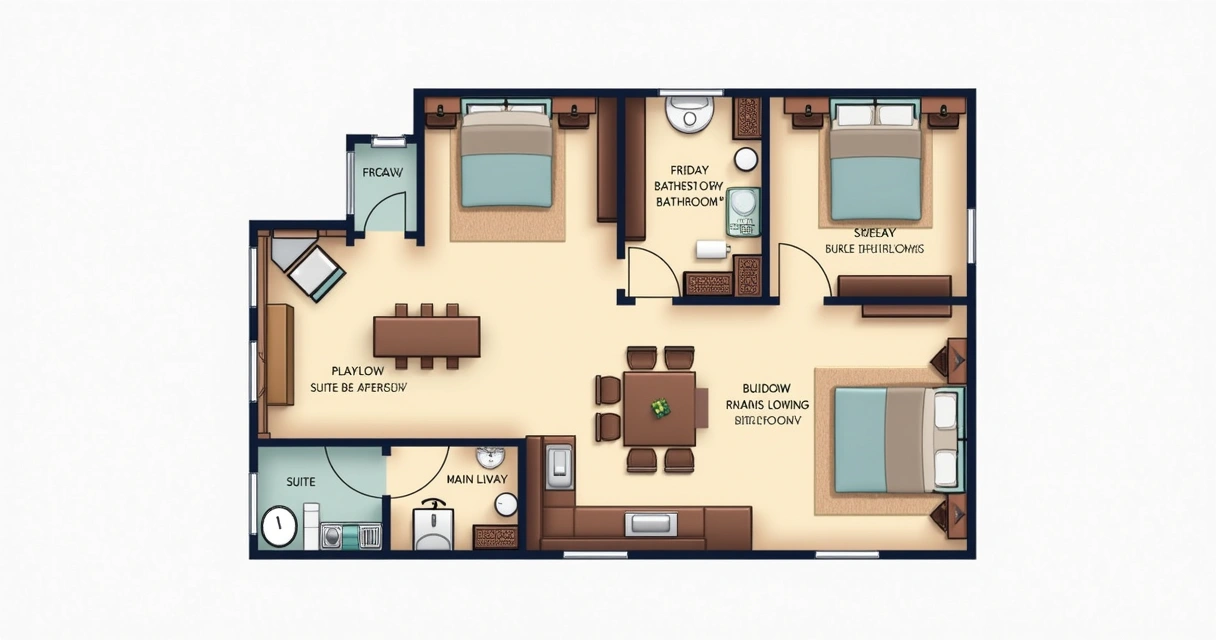
A multigenerational home is one designed to accommodate more than one generation of the same family under one roof, maintaining private areas and shared living spaces. Examples include parents, children, and grandparents living together, each with a suite or independent area.
What are the benefits of this investment?
Among the benefits are cost reduction, property appreciation, the possibility of extra income through short-term rentals, greater family support, and flexibility of use. Such properties attract various profiles of tenants and buyers.
What challenges do multigenerational families face?
Coexistence conflicts, architectural adaptation (such as accessibility for seniors), expense sharing, and respect for privacy are common challenges. Attention to the legislation of each city is also essential.
Is it worth investing in multigenerational homes?
If the home is well planned, in a good location, and with specialized advisory, like the one I offer, the potential for appreciation, liquidity, and income surpasses most traditional alternatives, especially in regions like Orlando.
How much does it cost to adapt a multigenerational home?
The cost depends on the original layout and the level of customization, but adapting for accessibility and creating independent suites can range from $20,000 to $80,000 or more. A detailed analysis and advance planning help avoid excessive spending.