

In the world of high-end vacation homes in Orlando, having absolute control over expenses is what separates the amateur investor from the sophisticated one. I say this not only as an advisor at Premier Sotheby’s International Realty but as someone who has closely observed the positive and negative impacts of this management. My goal with this article is to present a realistic and detailed overview of the main expenses in maintaining these properties, as well as to share methods that truly work to protect the profitability of your investment.
Understanding fixed and variable expenses
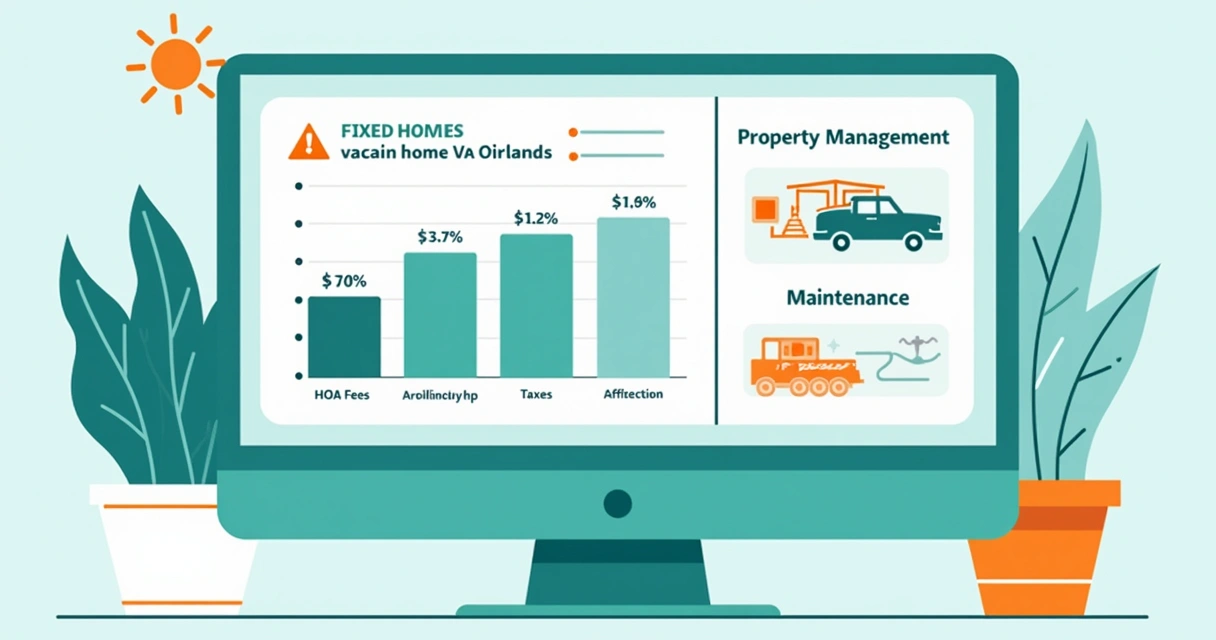
Vacation homes in Orlando, especially in premium communities like Magic Village Views, Magic Village Yards, and Windsor Island, have a striking characteristic: recurring expenses that require attention. In my experience, having clarity about what is fixed and what is variable is the starting point.
- Condominium: Mandatory monthly fee that covers maintenance of common areas, security, and, in some cases, internet and cable television.
- Property Management Fees: Management companies charge fixed amounts or percentages of rental income.
- Preventive and corrective maintenance: Includes gardening, pool cleaning, filter changes, and minor repairs.
- Taxes (Property Tax): Paid annually and calculated based on the property's market value, being one of the critical points in cash flow.
- Utilities (electricity, water, internet): Variable, depending on occupancy and guest profile.
- Reserves for replacing furniture and equipment: Especially relevant in homes focused on short-term rental.
If you want more details about the importance of these costs at the time of purchase, the article Investing in vacation homes in Orlando: what you need to know can enrich your assessment.
How to structure expense control?
The most common mistake I see is the investor mixing data, using only bank statements or basic spreadsheets. Professional method requires more: you need a dedicated system, preferably in dollars and segregated by property. Example? I use and recommend online tools like QuickBooks or platforms specialized in short-term rental, as they allow account integration, automate recurring entries, and report results in real-time.
Making the flow of expenses visible is essential. Divide your costs into categories, set limits for variables, and create alerts for deviations. At first, it may seem like detail work, but it avoids unpleasant surprises. Studies like those from Faculdade QI show that cost categorization is one of the best practices for identifying real adjustment opportunities.
Strategies to adjust costs without compromising quality
Are you one of those who believe that cutting costs means losing standards? I have proven the opposite: when control is strict, the guest experience can even improve.
- Negotiate annual contracts: Gardeners, pool cleaning, and property managers tend to offer discounts on fixed contracts.
- Always compare suppliers: If possible, have at least two quotes from local providers. In Orlando, the difference between traditional companies and boutique managers like me, who pass on negotiated rates, is growing, which is rare with general market competitors.
- Automate where it makes sense: Home automation equipment controls air conditioning, pool, and lighting remotely, reducing waste when the house is empty.
- Proactive maintenance management: Schedule regular inspections. This reduces emergencies, which always cost more.
- Reinvest part of the profit in low-consumption equipment: Pool pumps and LED bulbs generate real savings over the months.
When I assist clients, I prioritize partnerships with suppliers who deliver the same standards as the major resorts in Orlando. Those who follow me at Premier Sotheby's know: I don't sell promises, I only present documented cases. Competitors usually offer only ready-made packages, without a personalized view of each owner's costs. My approach is customized, tailored to the profile of the house and the operation.
Taxes and fees: how to reduce the impact?
In the case of taxes, there is no magic, only planning. Correctly classify the use of the property (residential, short-term, long-term rental) to ensure compliance with tax rates and avoid fines. If you choose the short-term rental model, keep all licenses up to date and taxes like Sales Tax duly collected. To understand the step-by-step of this process, I recommend reading about licenses for short-term rentals in Orlando.
In managing state taxes, some clients have questions about discounts for early payment or deductibility of expenses. In general, I maintain guidance with an American accountant specialized in this area, but what makes a difference is not leaving it to the last minute: late fees are high and erode margins.
How do high-end investors maintain profitability?
If there is one thing that separates the sophisticated investor from the rest, it is discipline. One of the best practices I note in my 58+ transactions in Orlando is the formation of a strategic reserve. The amount usually corresponds to 4-6 months of total expenses.
"Cut waste, not standards."
This motto has saved me from losses when unforeseen events occurred: emergency renovations, low occupancy periods, or even increases in condominium fees. In condominiums like Magic Village Yards, knowing how much to reserve is science, and practical content can be found in detailing condominium costs in Orlando.
Additionally, I use benchmarks and the history of my own cases to review contracts at each cycle of high occupancy. Another differentiator? I monitor market data from major portals, but I always cross-reference it with the reality of my portfolio. The secret is not just knowing how much competitors charge, but understanding how they operate and where they often leave opportunities on the table, something that an advisor like me, with access to off-market deals, can guarantee real advantage to the client.

Common mistakes and how to avoid them in expense control
Financial sustainability is not made up of numbers alone. Evaluation errors, over-reliance on estimates from common property management companies, and lack of due diligence in contracts are known causes of losses.
- Do not centralize payments and receivables: Use a dedicated account for the property, never mix it with personal expenses.
- Ignore periodic adjustments: Contract and tax conditions change. By maintaining long contracts without review, money is lost without realizing it.
- Underestimate the impact of seasonality: In Orlando, the variation in occupancy between months can impact revenues and expenses, plan for a margin of error.
Other brokers with less experience often focus only on selling the property, without following up on post-sale or providing guidance on daily finances. It is at this point that the continuous work I do on the blog and social media creates superior value, including tips on how to structure the sale and maximize returns when the time comes to realize the investment.
Conclusion: discipline focused on results
Expense management in vacation homes is not just an administrative task; it is the cornerstone of building solid wealth in Orlando. Those who follow the work I do at Premier Sotheby’s International Realty know my vision: sustainable results arise from absolute control over costs and decisions based on real data, not assumptions.
If you want to transform your investment in a vacation home in Orlando into a safe, transparent, and profitable experience, get to know my consulting services. Always with an analysis focused on liquidity, risk mitigation, and real performance, as few in the market can deliver. Schedule a conversation with me and see how I can help your portfolio grow securely.
Frequently asked questions about expense management in vacation homes
What is expense management in vacation homes?
Expense management in vacation homes involves the systematic control of all expenses related to maintenance, administration, taxes, and utilities of the property, aiming to preserve profitability and ensure the guest experience. In the context of Orlando, I treat each expense individually, projecting cash flow to avoid surprises and protect the investor's capital.
How to control costs in a vacation home?
Effective control happens through the use of specialized tools, categorization of expenses, and periodic reviews of contracts and prices. I recommend creating dedicated accounts for each property, preventive maintenance programs, and capital reserves for unexpected expenses. A professional approach makes a difference because it anticipates problems and keeps finances under control.
What are the main expenses in vacation homes?
The main expenses include:
- Condominium fees (HOA);
- Property management;
- Maintenance and cleaning;
- Local and state taxes;
- Utility bills (water, electricity, internet);
- Periodic replacement of furniture and appliances.
Is it worth investing in vacation homes for rental?
The investment can be highly advantageous for those seeking income in dollars and asset diversification, as long as expense control is differentiated and the property is in a premium location. Experience, access to off-market opportunities, and secure execution, as I offer at Premier Sotheby's, are the differentiators between consistent profit and financial disappointment. I also recommend reading this chat about real estate investment in Orlando for more insights.
How to save on vacation home expenses?
Save by negotiating annual contracts, automating utilities, performing preventive maintenance, and opting for experienced suppliers with proven track records. Avoid solutions merely based on low price; focus on superior cost-benefit, something that only a strategic advisor with market insight, like me, can safely bring to your assets.