
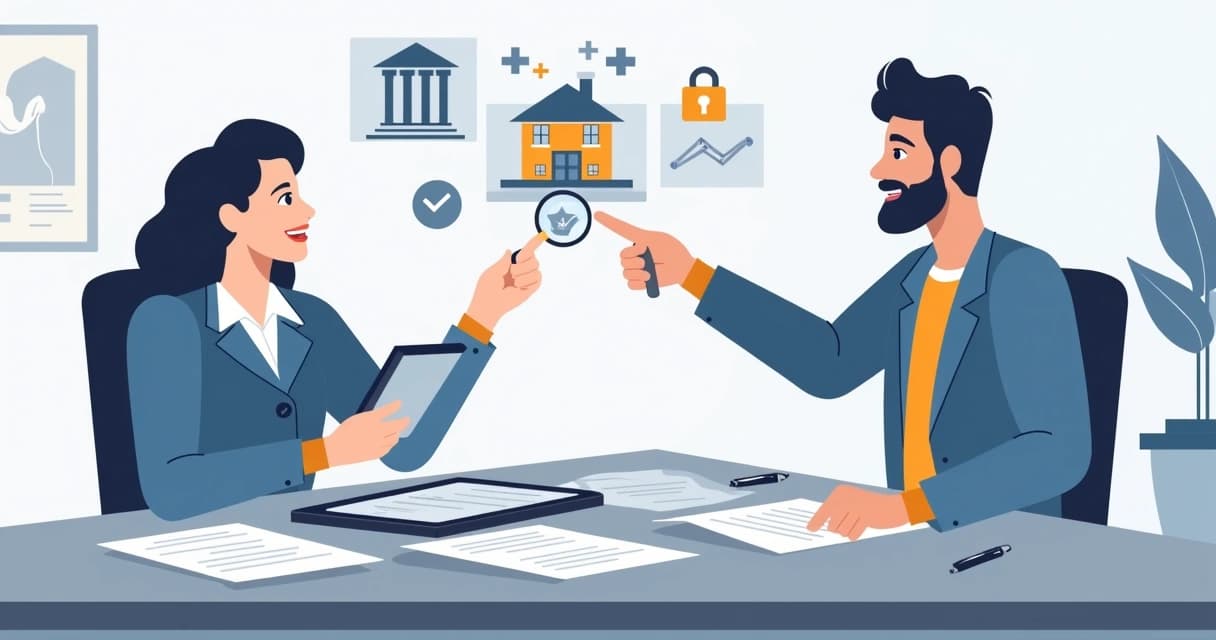
In 2025, investing in real estate in the United States remains one of the preferred strategies for Brazilians seeking diversification and asset protection in dollars. However, along with the opportunities, increasingly sophisticated risks also arise. The evolution of online fraud and the massive use of artificial intelligence to perpetrate scams have created a new landscape of challenges for international investors.
Veriff's research shows that 72% of companies in the U.S. have already reported an increase in online fraud, and an impressive 90% expect scams to worsen in the coming months (Veriff research). For those dealing with high-value transactions, such as in the premium real estate segment, the losses can be irreparable. Therefore, one thing that Daniel Dourado prioritizes in his client relationships is total protection against fraud – steering clear of any shortcuts or “flexible” bureaucracy.
Trust is built on details.
Why have frauds increased so much?
According to the FBI's Annual Internet Crime Report, Americans lost more than $12.5 billion to online fraud in 2023 alone. The most damaging scam was fraudulent investments, with $4.57 billion in losses. Real estate, which combines legal complexity, high values, and multiple parties involved, has become the perfect environment for sophisticated fraudsters. The National Cybersecurity Alliance lists at least five distinct types of real estate fraud, from false bank transfers to manipulated documents and deeds (National Cybersecurity Alliance).
Moreover, the increase in the use of artificial intelligence by fraudsters and the creativity of scammers, as described by veteran industry professionals (Phillip Hull, IRS), reinforces the urgency of always staying one step ahead.
How to start: a preventive stance is everything
No international transaction should start with a “bargain” or the excitement of a below-market price. Before signing any document, follow these practical steps, which are part of Daniel Dourado's blog method and the service standard of Sotheby’s International Realty:
- Validate the agent and the real estate agency: only negotiate with brokers licensed by official associations (NAR, Florida Realtors). Require them to prove their license, awards, and history, if possible. We always provide this information without hesitation.
- Avoid miraculous offers: prices far below market value, absurdly easy payment terms, and unjustified urgency to close a deal are classic signs of a scam. In our experience, those who close “directly with the seller” to save on commission face a very high risk.
- Beware of communication only via email or phone: fraudsters avoid in-person meetings or video calls, and never send official documents. We, on the other hand, prioritize transparency and in-person or video contact.
Safe real estate transactions require proof, not promises.
Document analysis: never skip steps
How to verify titles and deeds
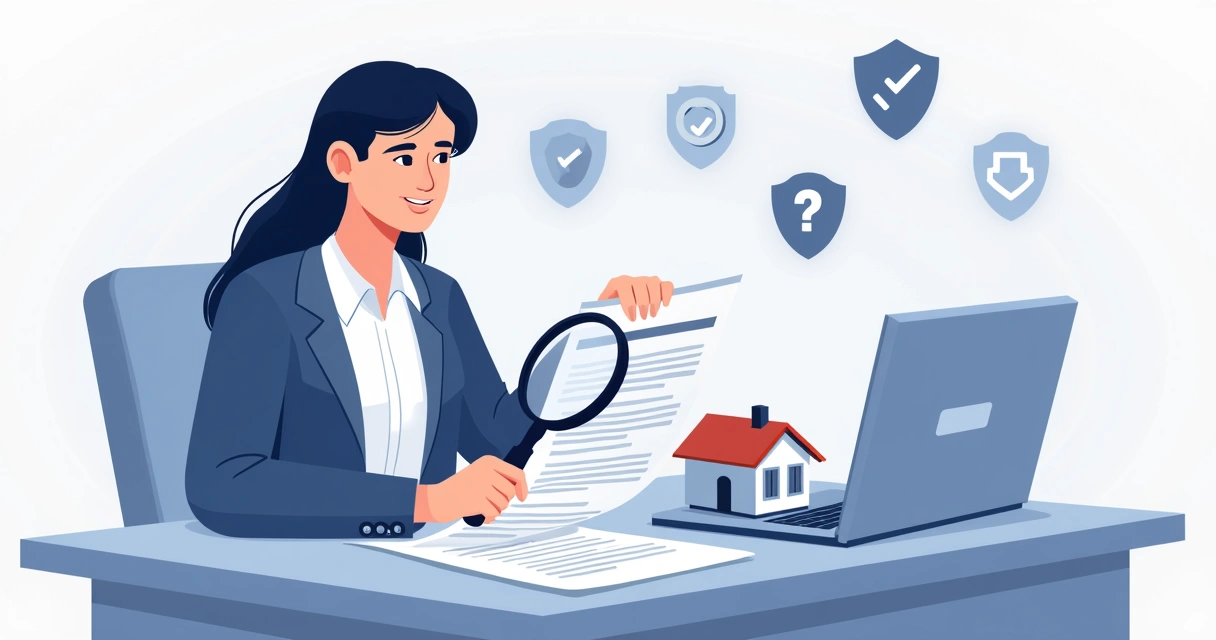
The most overlooked step by foreign investors and, at the same time, the most decisive to avoid fraud: verifying the property title. Always request a Title Search conducted by an authorized company (Title Company). The document confirms who the true owner of the property is, whether the house is subject to debts, taxes, or belongs to more than one person.
Also request Title Insurance. This insurance protects you from surprises such as unknown heirs or creditors who may appear after the purchase. Daniel Dourado requires this protocol in all transactions and only works with top-tier partners in Orlando.
Escrow account: protection for your payment
The escrow account acts as a temporary safe, managed by an independent company. You deposit the agreed amount into this account, which only releases the money to the seller when all documents are checked and signed by both parties. Never accept transferring funds to personal accounts – this is the most common bank transfer scam according to the National Cybersecurity Alliance.
 Documents from the broker and the real estate agency
In addition to the license (licence number), it is the obligation of the trusted agent to provide the following documents:
- Brokerage Relationship Disclosure form, explaining their legal responsibility to you;
- Proof of experience and sales references (preferably, audited real cases);
- All contracts must be bilingual (English and Portuguese) or at least contain a clear summary in Portuguese.
It is standard for Sotheby’s and Daniel Dourado that this documentation is presented before any collection of signatures or advance payment.
Checking the seller's and consultants' backgrounds
It may seem excessive, but “googling” the seller's name and requiring public criminal background reports saves a lot of headaches down the line. Serious professionals, as Daniel makes a point of demonstrating, have local references, active social media, and verified sales history. If the seller is a legal entity, also check if the company is in good standing with the U.S. Internal Revenue Service.
 Procedures of the Daniel Dourado team
In practice, protecting the foreign investor goes beyond document verification. The standard of the Daniel Dourado blog, backed by Sotheby’s, includes steps that competitors rarely follow:
- In-person meetings (or online, with video), always guided by bilingual professionals;
- Detailed checklist of documents for the buyer, along with specific tax and legal consulting for Brazilians;
- Frequent audits of the team's sales history – security validated by awards and public testimonials;
- Use of partners (escrow companies, title companies, and banks) that operate only in the luxury segment, which drastically reduces the risk of scams;
- Prior analysis of the sellers' reputation, using state databases and consultations with trade associations.
This attentive approach prevents the investor from getting lost in the details and falling into traps, as often happens with those who opt for amateur alternatives or try to save by cutting corners. Serasa Experian showed that attempts at fraud jumped nearly 23% just in early 2025 (Serasa Experian). Therefore, transparency and a consultative approach are key themes reported here and reinforced with each new real case addressed on the blog.
Practical checklist: how to protect yourself
- Research the reputation and certification of the broker and real estate agency;
- Schedule in-person meetings or video calls, never just by email;
- Request Title Search and Title Insurance from reliable companies;
- Demand the use of escrow account for financial transactions;
- Do not accept documents in only one language or without proper translation and explanation;
- Confirm the backgrounds of the seller and the companies involved;
- Refuse pressures for quick fund transfers;
- Ask for references from other Brazilian buyers;
- Check market trends (as shown in this article from the blog) to compare prices and authentic opportunities;
- Always prefer transactions mediated by recognized specialists, like Daniel Dourado.
The strongest link in security is knowledge.
Conclusion
In the 2025 landscape, investing safely in the U.S. is a challenge, but never impossible – especially for those who follow practical methods and high-level professional guidance. Sophisticated frauds continue to grow, as warned by the world's leading cybersecurity organizations. However, those with proven experience and a network of strategic partners, as outlined by the Daniel Dourado blog, turn risk into opportunity.
Want to know more about how to protect your family, your assets, and invest with the confidence of someone who has already completed hundreds of transactions without any incidents? Browse our content, delve into tips for beginners (here we show the path for the first-time buyer), and feel free to contact us. Your next acquisition could be the safest of your journey!
Frequently asked questions
How to identify fraud in real estate in the U.S.?
Scams usually involve pressure to close a deal, prices that are too low, reluctance to present documents, communication limited to emails, and payments to unofficial accounts. Verify licenses, request a Title Search from an independent company, and only accept transferring money via escrow. Analyses like those reported by the Daniel Dourado blog help recognize risk patterns, unlike what you find on amateur sites.
What documents should I verify before investing?
In addition to Title Search and Title Insurance, check the broker's license, the seller's history, bilingual contracts, and proof of reference from the real estate agency. Demanding these documents is routine in transactions conducted by Daniel Dourado.
Is it safe to buy property from a distance?
Yes, as long as the transaction is mediated by a trusted team, with clear processes and mandatory use of an escrow account. Many clients report positive experiences by following our steps, including virtual inspections, document audits, and total transparency in communication.
How to choose a reliable real estate agency in the U.S.?
Look for companies affiliated with serious and recognized associations, with awards and testimonials that are easy to consult. Real estate agencies with validated histories (like Sotheby’s, represented by Daniel Dourado) have partnerships with solid intermediaries, public reputation titles, and strict security protocols.
What to do if you fall for a real estate scam?
Act quickly: gather all records and immediately notify local authorities (and the state Police Department) and the banks involved. Consult American lawyers specialized in real estate fraud and, whenever possible, delve into alerts published in reliable sources like our blog to avoid recurrence.