

When I started guiding investors and families in the search for vacation homes in Orlando, I quickly realized how the concept of “luxury” was distorted by market generalizations, often confusing expensive properties with true high-end properties. The difference between a high price and real luxury status goes far beyond superficial finishes or location in famous neighborhoods. In this article, I practically share how to identify, from the experience of those who actively participate in this segment, what the concrete criteria for luxury classification in Orlando are.
Construction standard: more than just facade
In all my transactions, I evaluate the construction standard as the first filter for classifying luxury properties. I’m not just talking about marble or spacious kitchens, but rather:
- Proven premium materials: thermal-acoustic frames, imported porcelain tiles, metals and appliances from internationally recognized brands.
- Architectural design signed and integrated into the style of the condominium, creating visual unity without losing exclusivity.
- Meticulous care in internal and external finishes, with embedded technology (automation, smart climate control, solar panels).
- Functional layout, real spaciousness in common areas, and privacy in the bedrooms.
A property may be expensive, but without these construction differentials, it will hardly enter the luxury group in the eyes of a global investor. Therefore, when I present a product on my channels, such as in the exclusive portfolio of Magic Village by Pininfarina, I make a point of explicitly detailing these technical differentials with photos and reports.
Location: where is the true premium?
Orlando is filled with themed neighborhoods and condominiums. But luxury is measured by scarcity and appreciation hubs. Clear examples from my practical experience:
- Proximity to the main parks, but without being exposed to noise pollution and heavy traffic.
- Regions surrounded by high-standard infrastructure: restaurants, clubs, golf courses, premium schools, and hospitals. One example I always mention is Bella Collina, an absolute reference when it comes to strategic location combined with high construction standards.
- Easy access to international airports and financial centers, which stimulates the demand for high-ticket short and long-term rentals.
When I guide an investor, I explain that the ZIP code is not enough: it is necessary to analyze micro-locations and future appreciation trends, where subjects like the Epic Universe, the new park in Orlando, are already impacting the liquidity of the luxury segment.
Condominium differentials: luxury is collective
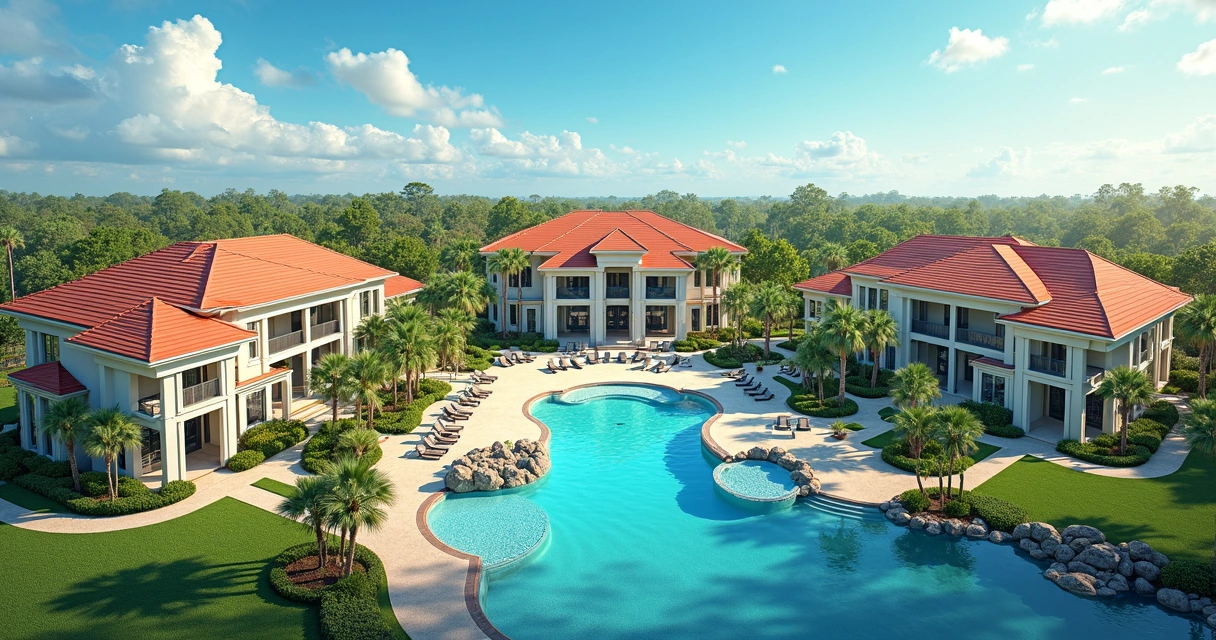
Luxury properties do not survive in isolation. The condominium represents the extension of the high-end experience of the property. I always see, in practice, that truly “Class A” developments have:
- Private club (gyms, spa, gourmet restaurants, heated pools)
- 24-hour monitored security and exclusive services (concierge, delivery, integrated maintenance in the HOA)
- Spacious internal areas, signed landscaping, covered parking, and low-density architecture
- Professional management focused on preserving resale value and the experience of the resident/visitor
The Embassy Suites Kissimmee is an example of this standard, where the added value to the condominium increases both occupancy in rentals and resale value. It is no coincidence that high-income families and celebrities often prefer investments where collective delivery surpasses everything the neighbor offers. Just look at the reports in the article about Brazilian celebrities boosting the luxury market in Orlando, seeking discretion, asset protection, and services that are impossible to replicate in traditional condominiums.
Expected profitability and guest profile: luxury as an investment
In my advice, I explain that luxury cannot sustain itself without consistent financial performance. Regular flow may seem attractive in seasons, but it is the luxury standard that:
- Has a much higher average ticket, with daily rates above $350 even outside the classic high periods.
- Attracts demanding guests, who stay longer and require upgrades in services, facilitating stable occupancy rates.
- Generates quick liquidity when put up for sale, as it caters to both those seeking a second home and investment funds focused on dollar income.
The difference lies in the predictability of return and the appreciation of the asset over the years. Those who invest in developments like Windsor Cay realize that profitability consolidates precisely through the combination of the previous factors.
In addition to the guest profile changing, the demands of property managers and the entry barrier for less qualified competitors also change.
Financing, resale, and liquidity: real impacts of classification
It is not uncommon to receive questions about how the luxury label impacts the financing process or the speed of resale. In all my negotiations, I observe practical effects:
- Financial institutions tend to facilitate conditions or customize products for luxury properties, due to the reduced risk of default and appreciated real guarantees.
- In resale, properties correctly classified as luxury remain on the market for less time, even in challenging economic cycles.
- Liquidity does not just mean selling quickly, but also maintaining an appreciation margin above the city average.
- The profile of the luxury buyer/tenant values privacy, security, and flexibility, which expands the pool of interested parties in all phases of the property cycle.
What is NOT luxury: the difference between expensive, touristy, and exclusive
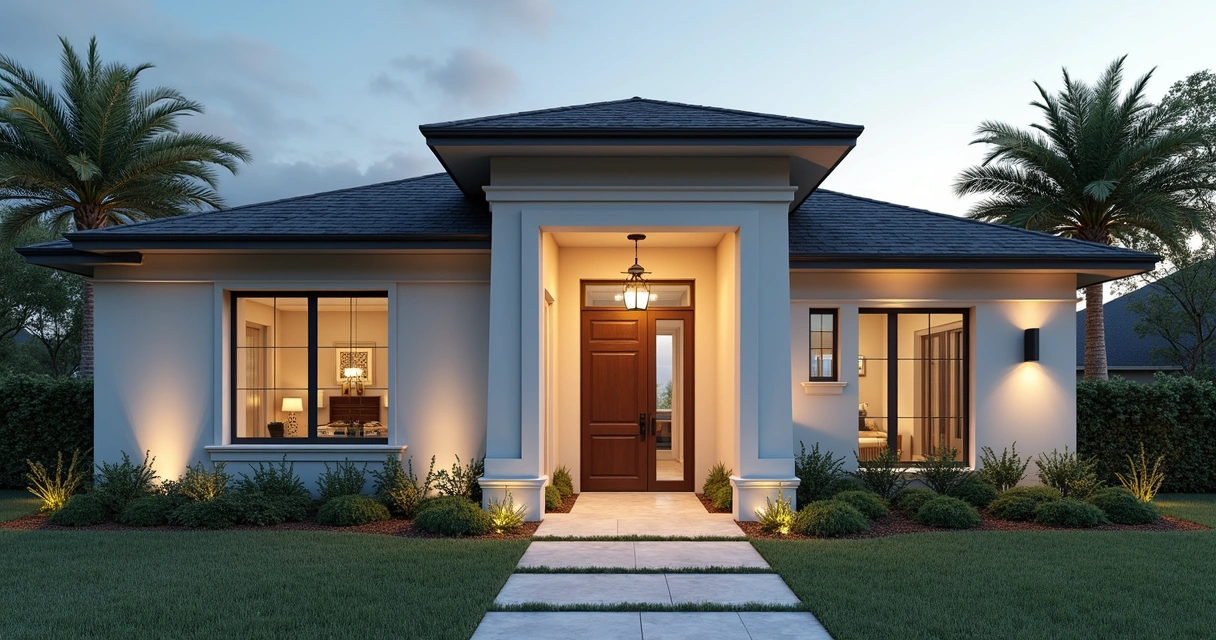
I have already assisted uninformed investors who bought “expensive houses” convinced that they were entering the luxury universe. The shock occurs when they realize:
- High standard only in decoration, but absence of the construction items and service differentials mentioned above.
- Tourist properties inflated by market moments, but with low asset protection and cumbersome resale.
- Beautiful condominiums at first glance, but with little maintenance and deficient infrastructure, something opposite to the best examples like Magic Village and Windsor Cay.
True luxury is the only segment that withstands the test of time and market trends
No sophisticated investor should risk capital in assets without a clear defensive thesis and appreciation potential within the professional criteria of the segment.
Luxury classification in practice: experience and advisory make the difference
The real luxury classification is not limited to a price table or checklist. It arises from the intersection of these factors:
- Professional analysis of construction standard and architecture
- Reading of strategic location focused on scarcity and appreciation drivers
- Identification of collective differentials of the condominium and the guest experience
- Realistic assessment of potential profitability, using comparative market data
In the Daniel Dourado project, this reading goes beyond common advertisements. In each opportunity presentation, the criteria are transparent, with comparative reports, field videos, and indicators that truly matter to those investing from $400,000 in vacation homes in Florida.
Some popular real estate agencies even try to emulate this perspective, but, as they do not reach the volume and profile of operations that I maintain, they rarely offer access to off-market opportunities and execution with real risk mitigation. This makes a difference, especially given the international profile and more sophisticated demands with which I work daily.
Conclusion: Why does classification matter for your investment?
Over the years advising Brazilian, Latino, and American clients in the high-end segment in Orlando, I have witnessed the enormous difference that a correct classification makes in the investment outcome.
Luxury properties indeed deliver superior performance in resale, liquidity, customized financing, and protection of family wealth. The classification goes far beyond the cost per square meter: it represents access to a premium ecosystem of opportunities, differentials, and experiences designed for an audience that does not accept generic solutions.
If you seek to understand how to align your next investment with the top market standards, without relying on assumptions, trends, or guesses, I invite you to closely explore the work we offer in the Daniel Dourado project. Your next property in Florida can indeed be your best asset in terms of appreciation and intelligent capital use. Feel free to get in touch and receive our specialized material.
Frequently asked questions about luxury properties in Orlando
What is a luxury property in Orlando?
In Orlando, a luxury property is characterized by superior construction standards, privileged location, condominium differentials, and above-average profitability potential. These properties cater to a demanding audience, focusing on security, privacy, personalized services, and a unique experience for both living and short-term rental.
How does the classification of properties work?
The classification involves analyzing objective factors, such as materials, design, location, condominium infrastructure, and performance in rental or resale. Only the intersection of these criteria, combined with the evaluation of experienced consultants, ensures that a property is truly luxury and not just expensive.
What are the classification criteria?
The main criteria include: use of premium materials, architectural integration, security and privacy in the condominium, presence of exclusive services, strategic location close to appreciation hubs, potential for consistent profitability, and qualified tenant profile. These points were detailed throughout the article.
Is it worth investing in luxury properties?
In my experience, the luxury segment in Orlando is the one that delivers the most asset protection, liquidity in different economic cycles, and the possibility of income in dollars, as highlighted by the movement observed in Brazilian celebrities seeking the local real estate market. Despite the higher initial investment, the potential for appreciation and resilience more than compensates.
Where to find the best luxury properties?
The best properties are found in communities like Magic Village Views, Magic Village Yards, Windsor Cay, Windsor Island, Bella Collina, and Sonoma Resort. For those seeking rigorously evaluated on-market and off-market opportunities, I recommend consulting reliable channels and specialized advisors, as promoted in the Daniel Dourado project.