
The American dream of investing in real estate in the United States has always attracted Brazilians seeking security, diversification, and good returns. In a scenario of volatility of the real and uncertainties in Brazil, protecting wealth in dollars seems like an obvious choice. But at the same time, the risks of falling for fraud have increased significantly – especially with the advancement of technology and the sophistication of digital criminals. According to the Veriff research, 90% of companies in the sector anticipate growth in online fraud in 2025, particularly highlighting scams fueled by artificial intelligence.
You might think: “But that won't happen to me. I am careful.” Unfortunately, every year scams become harder to identify and affect precisely those who believe they are safe. It is a warning for everyone – especially foreign investors, who may have little familiarity with the rules and practices of the North American market.
In Daniel Dourado's project, where transparency and specialized consulting are pillars, we believe that the best defense is information. Below are the main signs of fraud when investing in real estate in the U.S. in 2025 and how to protect your assets.
Sign 1: offers that are too good to be true
You know that irresistible offer for a luxury property in Orlando, priced well below the market, promising high income and a quick transfer guarantee? Be suspicious. Scammers often create perfect scenarios to induce immediate decisions, pressuring for urgency and reducing analysis time.
Be wary of anything that pressures you to decide quickly.
The National Cybersecurity Alliance highlights this type of scam, especially in “exclusive” listings, rentals with advance payments, or “unmissable” opportunities with no competitors. Always validate values, research similar properties in the area, and question anything that seems out of the ordinary.
Sign 2: off-market offers without transparency
Access to insider information is one of the differentiators for those who truly know the market, like Daniel Dourado, who has been mapping legitimate off-market opportunities in Orlando for years. However, many scammers use this narrative to create scarcity, make access to the property difficult, and evade normal due diligence processes, such as in-person visits and document verification.
Avoid situations like:
- Deals closed only by email, WhatsApp, or phone, without official contracts.
- Refusal to provide the property's history or register offers in a public deed.
- Little clarity about who the real owner is. Do not accept “ghost” intermediaries.
 Sign 3: intermediaries without registration or accreditation
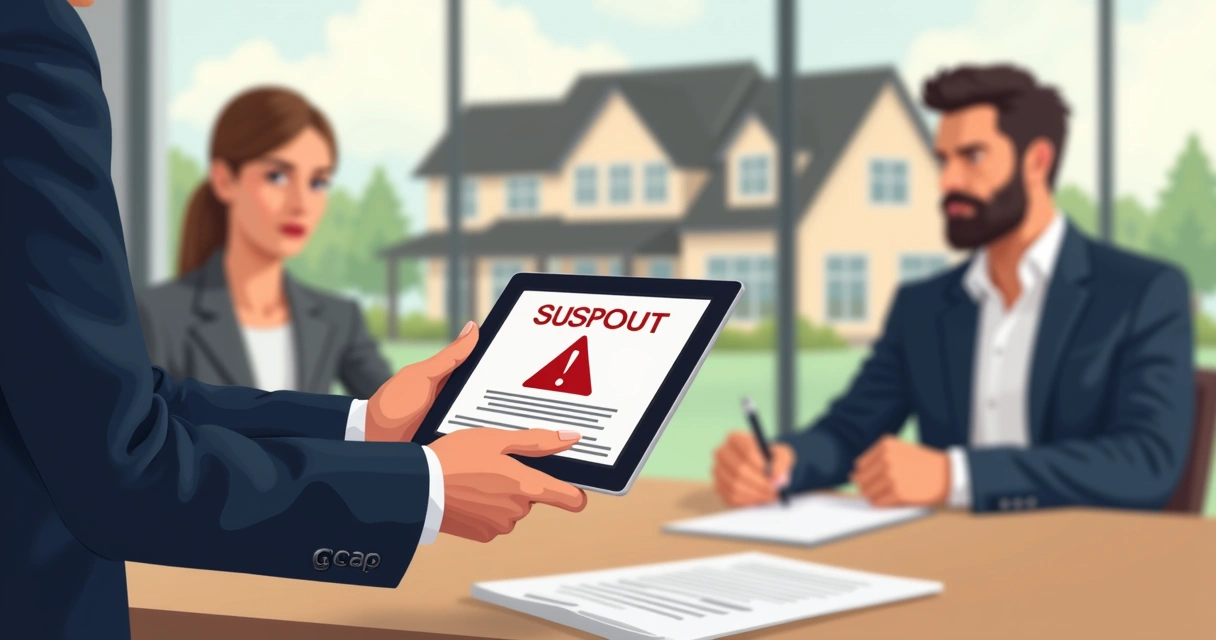
The real estate agent, whether in the U.S. or Brazil, must have a valid registration and proven history. If the “professional” does not present licenses, lacks a physical office, or avoids showing references, pay extra attention. Scammers love to create profiles with stolen images, fictitious numbers, and even use names similar to those of renowned agents.
Before closing a deal, research the agent's name in official records such as the Florida Real Estate Commission (FREC). Call the real estate agency, ask to speak directly with the agent, and confirm basic information.
Look for real credentials, not pretty profiles.
In this article, we clarify the risks of buying without an authorized agent in Orlando. It is always better to miss an “opportunity” than to risk everything you have achieved.
Sign 4: inconsistent or forged documents
Document fraud is one of the most dangerous types – it often involves forgery of property records, alterations to deeds, or presentation of fraudulent powers of attorney. According to criminal investigation experts, unscrupulous agents or investors may artificially inflate the property's value in appraisals or present tampered documentation to release financing.
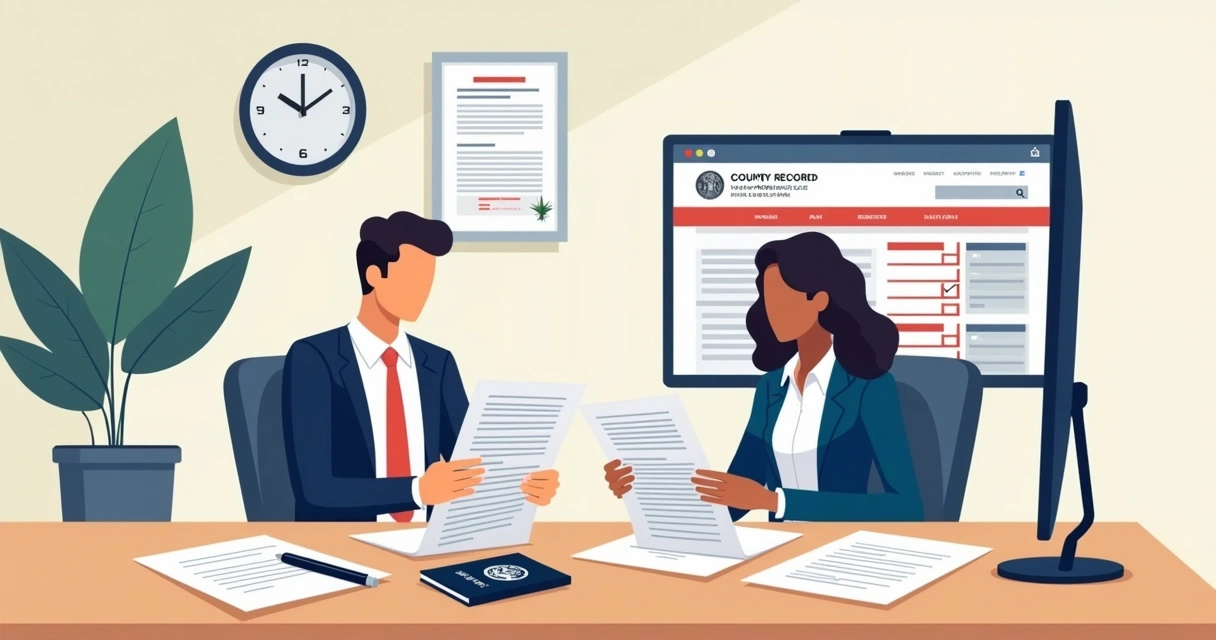
If any paper, contract, or report seems strange, with spelling errors, differing names, or suspicious stamps, question it. Use the county's public website (county public records) to confront information. Verify the validity of signatures and data with a trusted attorney or official notary service in the U.S.
Sign 5: requests for advance payment or use of cryptocurrencies
Another major warning: requests for quick bank transfers, payments to accounts abroad, use of cryptocurrencies, or alternative methods “for speed.” The FBI report shows that losses from online fraud reached $12.5 billion in 2023, particularly highlighting investment scams, with cryptocurrency responsible for 86% of these losses (FBI data).
Advance money is always double the risk.
Never make payments without a custody account (escrow account), verifying account ownership and legal supervision. If non-traditional alternatives are suggested, stop and seek clarification.
Sign 6: absence of public history or real testimonials
Serious companies, like those involved in Daniel Dourado's project, have a transparent volume of completed transactions, client testimonials, and internationally recognized awards. Those who hide history, do not present numbers, do not showcase real cases, or avoid questions are unlikely to be trustworthy.
Social media that is too well-maintained, many “copies and pastes,” few legitimate video testimonials? Always be suspicious. Compare the agent's time in the business, look for reviews on independent sites, and ask for references (preferably from Brazilian clients who have also invested in the U.S.).
How to check and whom to turn to: a practical checklist
In doubt? Never go alone. Here’s a practical summary to avoid fraud:
- Demand formal contracts, preferably reviewed by a licensed attorney in the United States.
- Research licensing with official bodies and seek the agent's sales history.
- Video call to personally meet the person on the other side. Demand presentation of documents and a live tour of the property.
- Check the property in the county's public records and compare the data provided.
- Always use a custody account and avoid payments before the public deed.
- Never rely solely on online references: contact former clients.
 For those who want to better understand this universe, we recommend the guides on first-time buying in the U.S. and investing in vacation homes in Orlando that detail essential points for a safe experience.
Remember that, even in the face of increasing online fraud, the real estate market in the United States remains a safe option for those who take the necessary precautions. The secret lies in choosing experienced partners with a solid reputation and who operate with maximum transparency – values that support Daniel Dourado's blog.
Conclusion: information is your true guarantee
Investing in real estate in the U.S. can yield great results — but only if you walk the right path, alongside those who deeply understand the risks. Frauds exist, scammers evolve, but technology and networks of partners also work in your favor. The differential lies in access to quality information and trusted consulting. If you have doubts or want personalized guidance, get to know our project and turn your next investment into a real example of success and security.
Frequently Asked Questions
What are the signs of real estate fraud?
The main signs include: offers well below market value without justification; intermediaries without valid registration; pressure to make quick decisions; questionable or erroneous documentation; requests for advance payments or use of cryptocurrencies instead of escrow accounts; absence of public history of the agent and lack of real client testimonials. Always investigate the background of the deal.
How to avoid scams when investing in the U.S.?
Never close a deal without a licensed agent, consult official records, and research reputation with regulatory bodies. Use a custody account for transfers, avoid sending money before formal completion, and seek assistance from specialized attorneys. Our content on safe options in Orlando outlines the right steps.
Is it safe to invest in real estate in the United States?
Yes, as long as the investor follows good practices, chooses recognized partners, and conducts thorough verification of documents, involved persons, and the purchasing process. The greatest risk lies in informal deals, without legal support or registered agents. Projects like Daniel Dourado's ensure secure transactions and support from start to finish.
Where to find reliable properties in the U.S.?
Prefer official sources, platforms of registered real estate agencies, agents with proven history, and client referrals. Do not trust random ads on social media or unverified websites. Take advantage of content like the analysis of the Orlando real estate market to identify good opportunities.
How to report fraud when investing in real estate?
If you notice any attempt at fraud, gather all records of communication, contracts, or documents sent, and immediately contact the regulatory agency of the state where the property is located (for example: FREC in Florida), in addition to informing your attorney. In cases involving banks or transfers, also quickly contact local police and your bank.